
Norton Civil Request Check
Put the official Norton County case number on every request, and name the order, judgment, pleading, or date range you need. A register entry proves a filing happened. It does not hand you the text. If a public result is thin or you need a certified copy, the Clerk and the courthouse terminal are the next steps.
How to Search Civil Dockets
Open Kansas CaseSearch. Accept the user agreement. Then choose Norton County when the location filter appears. A full case number works best. A broad name or business query can be narrowed by civil case type. You can also filter by status, filing dates, or judicial officer. Smart Search may ask you to register and clear reCAPTCHA.
- Confirm the matter is in Norton County District Court.
- Enter the exact case number or a restrained public name query.
- Narrow by Norton location, type, status, or file date.
- Open the correct result and read each event by date.
- Use the terminal or clerk for a missing document or certified copy.
Kansas Courts eFiling and eFlex are not the public docket. That system exists for authorized filing. A federal civil action runs through PACER. And a City of Norton ordinance matter belongs to the municipal court, not the district-court civil search.
Norton Civil Case Number Transition
The Odyssey transition on July 11, 2022 splits case numbers into two eras. A newer-format example is NT-2024-CV-000001. An older one is 2021-CV-000001. Both show formatting only. Copy the letters, punctuation, and leading zeros exactly as printed.
NT marks the Norton segment of a newer number. In the example, CV flags a civil case type. An Event date tells you when an item was filed or recorded, not when every fact took place.
When an older record stays missing online, ask the clerk whether it is still paper, converted, offline, or restricted. The county guarantees no electronic start year for every civil category.
What a Civil Docket Shows
Norton County describes its case record as a chronological track. It covers papers filed, process requests, returns, appearances, orders, verdicts, judgments, and payments. Kansas Rule 106B defines a register of action as basic case information. It includes activity dates and brief descriptions. That is not the same as the pleadings file. The docket is a log, not the paperwork behind it.
| Case number | The assigned court, year, type, and sequence. |
|---|---|
| Party roles | Plaintiff and defendant, petitioner and respondent, or another filed role. |
| Filings | Petition, answer, notice, return, motion, or other indexed document. |
| Settings | Hearings, pretrial conferences, or trial dates when public. |
| Judgment | The court’s formal result, distinct from a party’s allegation or request. |
A document indicator does not promise a downloadable image. Pull it at the terminal instead, or request the item by its exact date and title.
Norton Logged 235 Civil Filings
The Kansas Judicial Branch FY2024 table lists 235 Norton County civil filings. The period ended June 30, 2024. The breakdown covers 31 regular actions, 140 limited actions, and 64 domestic-relations filings. One number, one reporting row. The counts say nothing about unique people or outcomes. They also say nothing about what is still pending or the merits of any dispute.
The mix explains why case type matters in a docket search. Limited actions led the group. Domestic relations carries access limits, so a plain name search will not show everything the clerk may lawfully disclose.
Types of Civil Cases on the Docket
The Norton clerk handles civil, limited civil, small claims, domestic relations, probate, adoption, and child-support work. The FY2024 regular-action row also sorts filings as contract, other, real-property, and tort. Those labels route cases. They decide nothing.
- Regular civil actions, including contract, property, tort, and other filings.
- Limited civil actions and small-claims matters.
- Domestic-relations and child-support proceedings where public.
- Probate matters subject to the access rules for the particular record.
- Protection, adoption, juvenile, and care categories with stronger restrictions.
No current local dollar limit or per-category filing fee is published here. Check the current Kansas Judicial Council instructions. Confirm jurisdiction with the clerk rather than trusting a stale generic threshold.
Norton Protection Orders Use Another Door
Treat protection from abuse and protection from stalking matters as their own track. They are not ordinary public name-search results. Norton County runs a dedicated protection-order process. It points applicants to the Kansas Protection Order Portal. The county says there is no filing fee. It also advises leaving time at the courthouse for the steps involved. The official county page lays out that separate route in full.
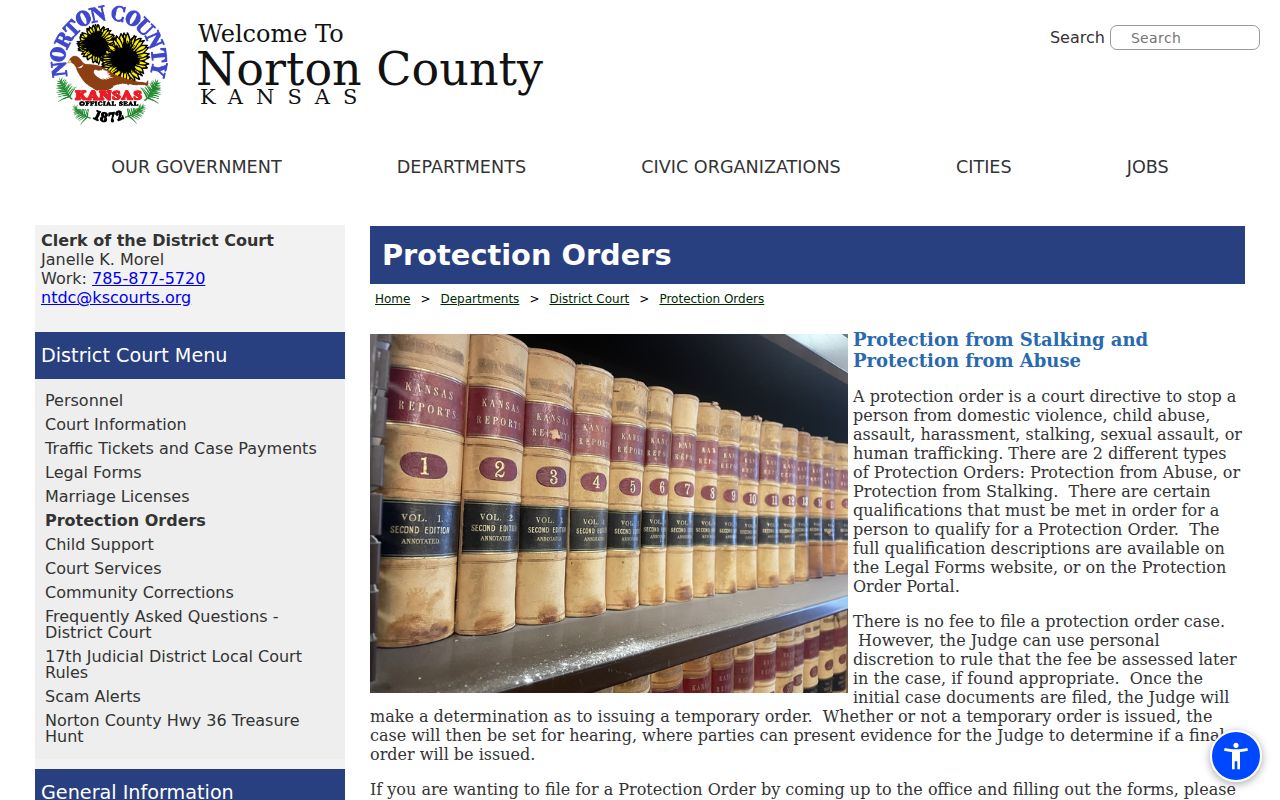
The distinction shields private details and sends a person to the correct form process instead of an ordinary docket query. The state portal covers the same route.
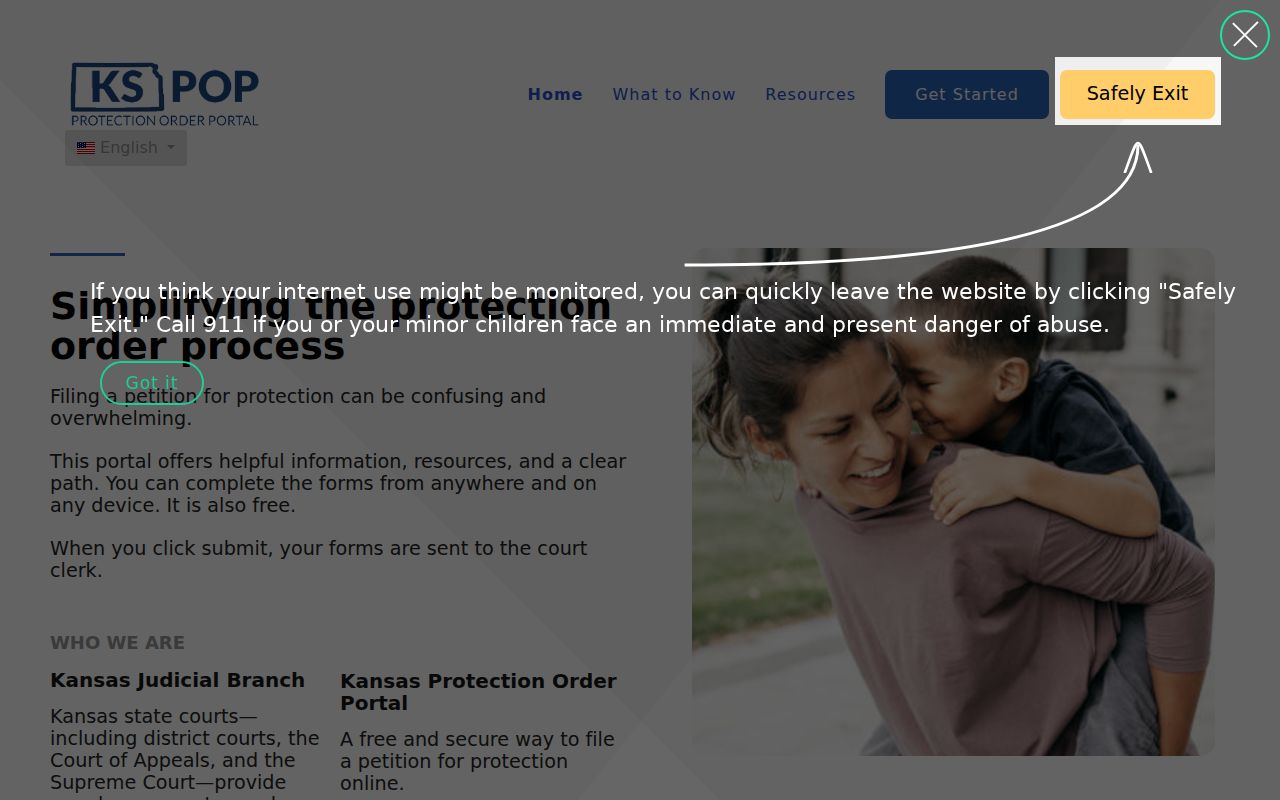
It is a form and filing gateway, not a public table of protection-order names.
Settings and Hearings on Civil Dockets
A civil setting can show up in several forms. It might be a notice, event, pretrial conference, motion hearing, or trial entry. Under the 17th District local rules, setting a hearing date takes coordination with the other party. It also takes coordination with the presiding judge's assistant or magistrate. Continuances take the same coordination. A disputed date moves only through the judge after an application.
That is why the county meetings calendar cannot confirm a civil hearing. It lists county administrative meetings, not court settings. Rely on the case register. Also use the filed notice or order, your attorney, and the Clerk of the District Court. A "continued" event is not a dismissal. Track down the replacement date and verify it before you travel or a deadline hits.
Request One Norton Civil Order
Skip the vague request for a whole lawsuit file. Name the exact paper you want. That could be the order, the judgment, a specific pleading, or a filing date. Norton takes written record requests four ways. Bring them in person, send them by mail, fax them, or email them. Every request should list the case number, the date range, and the item name. Add your contact details, delivery choice, and whether you need a certified copy.
The Clerk of the District Court sits on the third floor at 105 South Kansas Avenue in Norton. The phone number is 785-877-5720. Mail goes to P.O. Box 70, Norton, KS 67654. The fax line is 785-877-5722, and email requests go to ntdc@kscourts.gov. The portal may give an event but not the paper. The free courthouse terminal is the fallback. It offers deeper public access. Expect an answer within three business days. That answer may simply be a clarification question or a cost estimate. It is not always the records themselves.
Norton Family Records Need Restraint
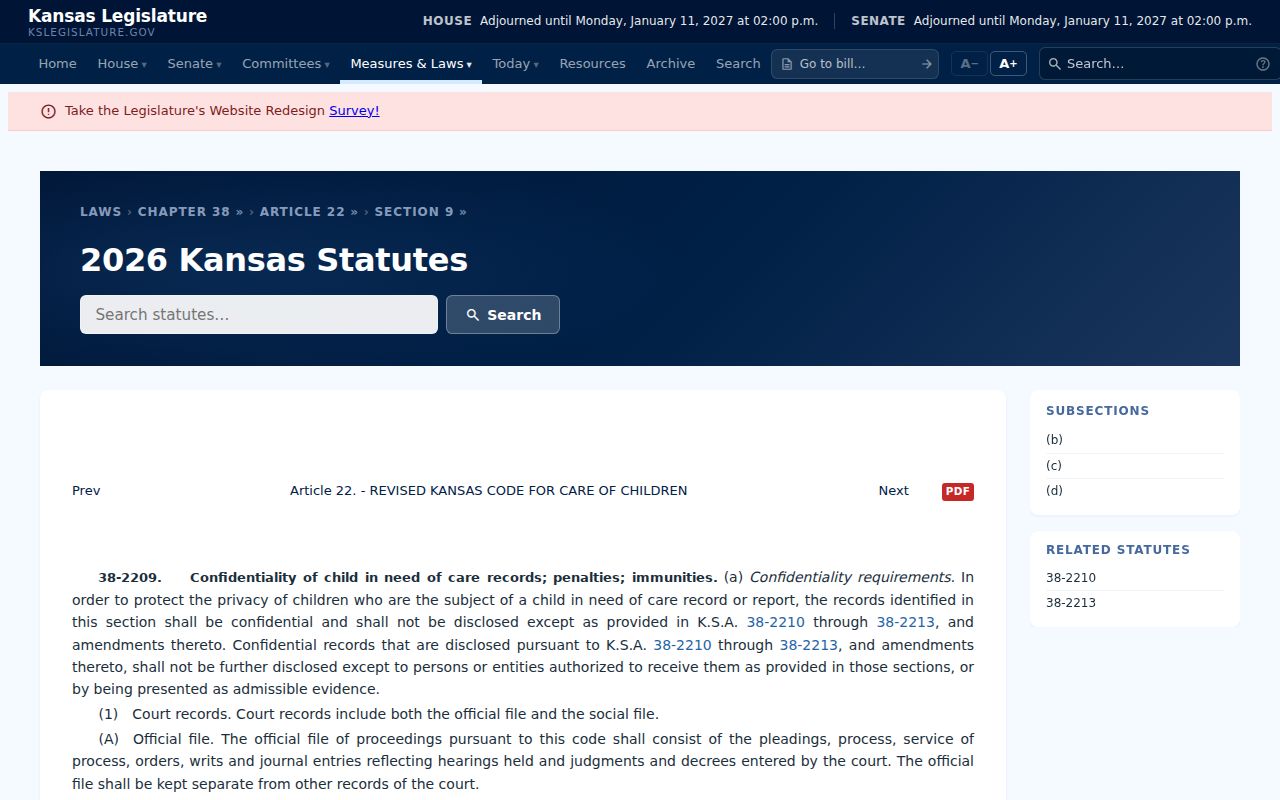
Family cases sit in a mixed-access zone. Aggregate state reports count them. Yet Norton's portal excludes whole categories: adoption, PFA and PFS orders, sexual-assault protection, human-trafficking protection, CINC, and other sensitive matters. A docket entry from one of those proceedings may be all the public sees. Even that can be limited. Names, children's information, protected addresses, and allegations from restricted proceedings should stay out of any public court docket search you run or repeat. The official CINC confidentiality statute spells out one of these boundaries in full.
The juvenile-record statute supplies a related but distinct limit.
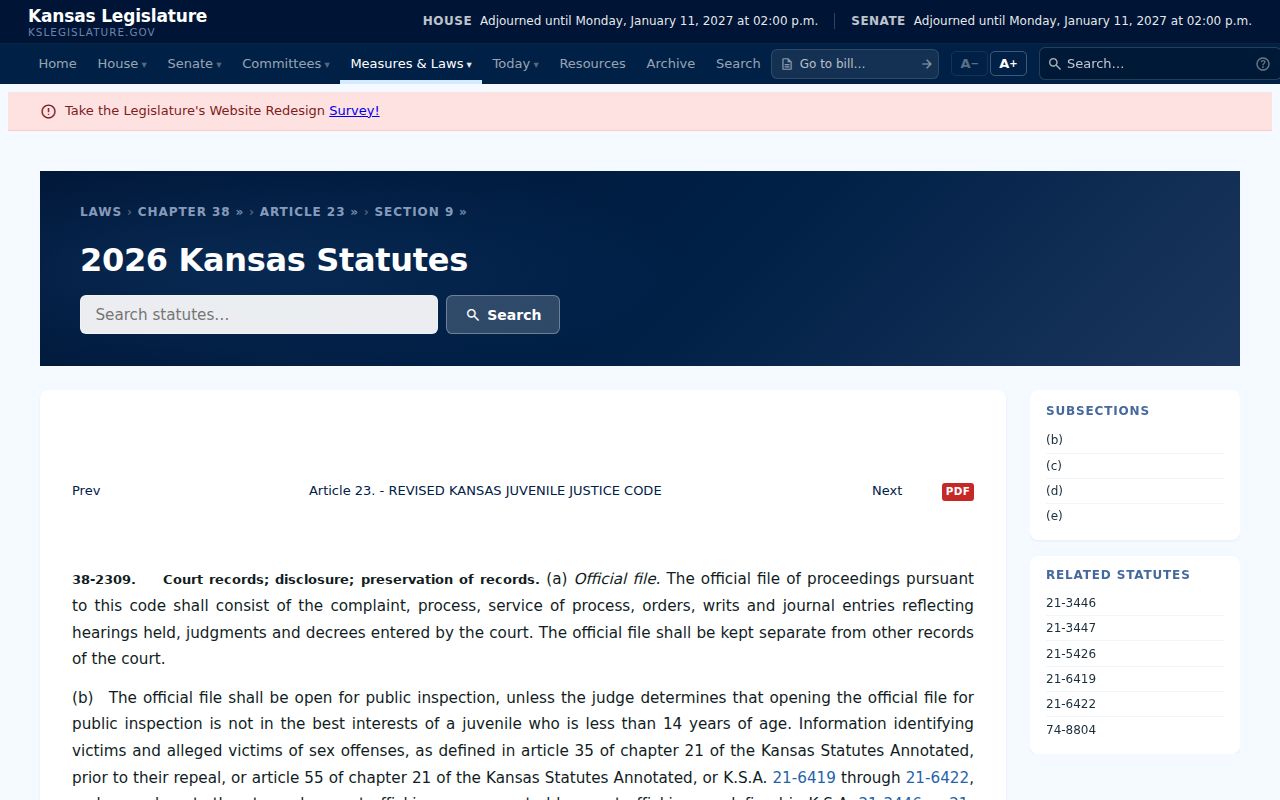
If a public search leaves one of these categories out, stop there. Ask the clerk about lawful access instead of probing sensitive identity fields in a docket lookup.
Public Access to Civil Dockets
Norton County civil dockets open to the public three ways. Kansas CaseSearch is one. The others are the terminal at the Norton courthouse and the clerk's request process for specific items. Kansas Supreme Court Rules 22 and 106B govern electronic records and the register of action. The Kansas Open Records Act sets the inspection procedure through K.S.A. 45-218. K.S.A. 45-221 recognizes exemptions. It also requires exempt material to be separated from what stays public.
Public does not mean complete online access. A civil register can be open while a document image, protected address, sealed filing, or entire case category is withheld.
Ask for a certified copy when an official recipient requires certification; a portal printout is not the same thing.
Copies are cheap in Norton. Ordinary paper copies run $0.25 per page, certification adds $1.00, and larger requests can trigger a $5.00 research fee. The clerk quotes your total once the record is located, and payment comes before delivery.